Trezor Bridge: The Essential Link Between Your Hardware Wallet and Computer
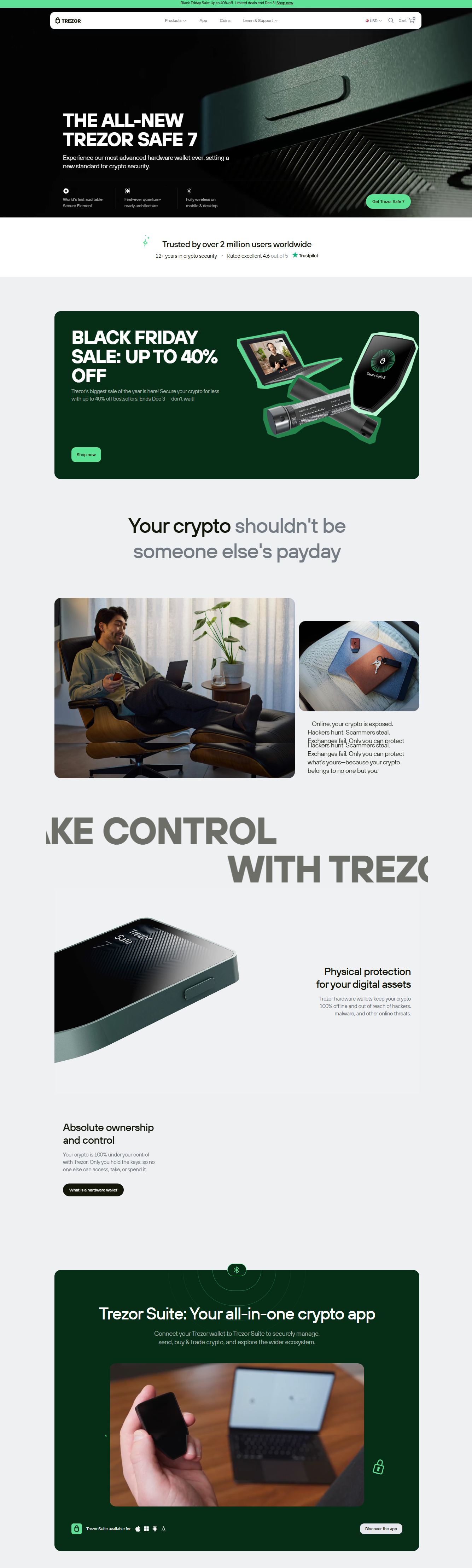
In the world of cryptocurrency, security is non-negotiable. For millions, Trezor hardware wallets provide that vital fortress, keeping private keys offline and safe from digital threats. But a fortress needs a gate, and a hardware wallet needs a way to communicate with the vast online world of blockchains. This is where Trezor Bridge comes in—a silent, crucial piece of software that makes secure management of your assets possible.
What Exactly is Trezor Bridge?
Trezor Bridge is a lightweight background service, or "communication driver," developed by SatoshiLabs. Think of it as a dedicated, secure translator and messenger. Your Trezor Model T or Trezor One is a physical device operating in an isolated, secure environment. Your web browser (like Chrome or Firefox) and the Trezor Suite application exist in the online realm of your computer.
These two worlds speak different languages and have different security protocols. Trezor Bridge sits quietly on your computer, facilitating a secure, seamless connection between them. It translates the commands from Suite or the web interface into a language your Trezor understands, and securely passes back the device’s responses—all without ever exposing your private keys.
Why Do You Need It? (And When You Don't)
If you use the Trezor Suite desktop application on your computer, you might not even notice Trezor Bridge. Modern versions of Suite often handle the communication layer internally. However, Bridge becomes essential in two key scenarios:
- Using the Web-Based Trezor Suite: If you prefer to access your wallet through the Trezor Suite web interface (suite.trezor.io) via a browser, Trezor Bridge is mandatory. Browsers, by design, cannot directly interact with USB devices in the way Trezor requires for security. Bridge acts as the necessary intermediary.
- Connecting to Third-Party Web Interfaces: When you connect your Trezor to decentralized finance (DeFi) platforms, NFT marketplaces, or other wallet interfaces like MetaMask (via the "Connect Hardware Wallet" feature), Trezor Bridge enables that connection. It allows these web services to request verification and signing from your physical device while keeping keys safe.
Installation and Simplicity
One of Bridge’s greatest strengths is its "set-and-forget" nature. The installation process is straightforward:
- It’s available as a free download from the official Trezor website.
- The installer guides you through a few simple steps.
- Once installed, it runs as a background service, automatically starting when needed.
You don’t open it as a regular application; it just works silently behind the scenes. It receives automatic updates to ensure compatibility and security, requiring minimal user intervention.
A History of Evolution: From Bridge to Suite
Trezor Bridge represents an evolution in Trezor's connectivity approach. It replaced the older "Trezor Chrome Extension" to offer broader browser support and a more robust architecture. Today, the trend is moving further toward integrated solutions.
The flagship Trezor Suite application represents the next step. For desktop users, Suite aims to be an all-in-one environment—managing communication, transaction building, and portfolio tracking in a single, secure application. While Bridge is still vital for web interactions, Suite provides a more streamlined and feature-rich experience for daily management, often bundling the necessary communication drivers directly.
Troubleshooting: The First Fix for Connection Issues
If you encounter the dreaded "Trezor not detected" message in your browser or Suite, Trezor Bridge is almost always the first place to look. Common troubleshooting steps include:
- Restarting the Bridge service via your computer's system tray or activity monitor.
- Reinstalling the latest version of Bridge from the Trezor website.
- Ensuring no other conflicting applications (like other wallet connectors) are interfering.
These simple fixes resolve the vast majority of connection problems, highlighting how a small piece of software is so critical to the workflow.
The Bottom Line: Silent Guardian of Your Workflow
Trezor Bridge may not be glamorous. You’ll never use it to check your portfolio or send a transaction. Yet, it performs an indispensable function. It is the unsung hero, the secure plumbing of the Trezor ecosystem, ensuring that the ironclad security of your hardware wallet can interact smoothly with the dynamic, connected world of cryptocurrency.
Whether you’re swapping tokens on a DEX, minting an NFT, or simply checking your balance online, Trezor Bridge is there—working diligently in the background to ensure that every interaction remains secure, seamless, and under your control. It’s a perfect example of how great security infrastructure should be: powerful, reliable, and nearly invisible.